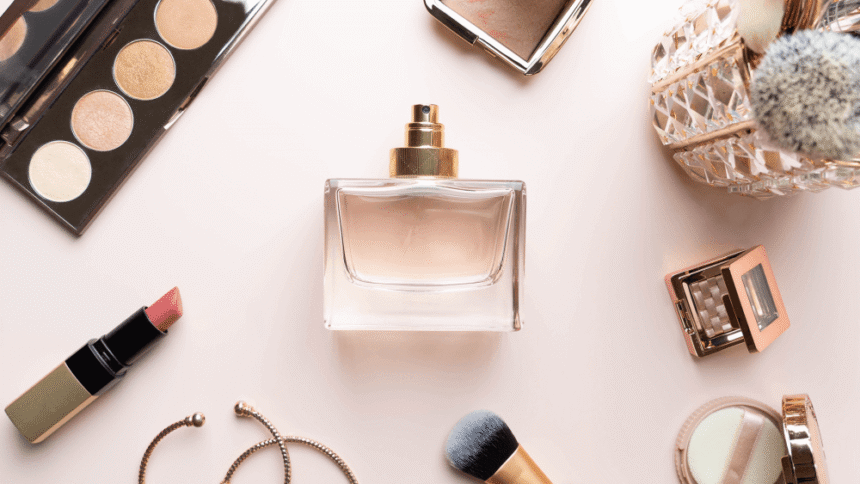
Every morning, millions of people reach for products designed to make them look, smell or feel better.
A little foundation, A swipe of lipstick, Shampoo, Body lotion, Perfume, Deodorant, Hair products.
None of it looks particularly threatening.
The bottles are colourful. The advertisements show glowing skin and perfect hair. The language promises freshness, confidence and beauty.
But behind some of these products is a question scientists have been asking for years:
What happens when the chemicals we put on our bodies every day begin interacting with the hormones that control our bodies?
The concern centres on a group of substances known as endocrine-disrupting chemicals, or EDCs.
According to the U.S. National Institute of Environmental Health Sciences, these are chemicals that can mimic or interfere with the body’s natural hormones. Hormones help regulate everything from reproduction and growth to metabolism, development and immune function.
And some of the chemicals that have raised concerns can be found in products sitting in bathroom cabinets around the world.
The chemicals hiding in everyday beauty products.
Among the ingredients researchers have investigated are phthalates, parabens, certain UV filters, phenols and synthetic musks.
Phthalates, for example, have been used in some cosmetics and personal-care products, including fragrances. The FDA notes that cosmetics that may contain phthalates include products such as nail polish, hair sprays, aftershave lotions, cleansers and shampoos.
Parabens, meanwhile, are preservatives used to prevent the growth of bacteria and fungi in some cosmetics.
The concern is not that every product containing one of these substances is automatically dangerous.
It is that some of these chemicals have biological activity that can interfere with hormone systems, we can only imagine what repeated, long-term exposure could mean for human health.
That distinction is important.
A chemical showing endocrine activity in a laboratory experiment does not automatically mean that using a particular shampoo or lipstick will cause a person to develop a hormonal disorder.
The real scientific question is one of exposure, dose, timing and cumulative effects.
And that is where things become complicated.
You aren’t using just one product
Think about an ordinary morning.
You wash your face with a cleanser.
Then apply moisturiser.
Then sunscreen.
Then makeup.
Then perfume.
Perhaps you use deodorant and hair products before leaving the house.
Each product may contain dozens of ingredients.
Researchers have therefore become increasingly interested in aggregate exposure, the possibility that people are exposed to numerous chemicals from multiple products rather than one chemical from one product.
A 2025 review of endocrine-disrupting chemicals in personal-care products highlighted concerns surrounding frequent use of multiple products and potential cumulative exposure.
And this isn’t merely theoretical exposure.
Studies have detected chemicals associated with personal-care products in human biological samples, while research has also found that changing personal-care routines can alter levels of certain chemicals in the body.
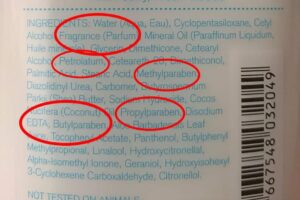
Then there is the word “fragrance”
Perhaps one of the most uncomfortable parts of the conversation is something most consumers barely notice.
Fragrance.
On a label, it can look like a single innocent ingredient.
But fragrance formulations can contain numerous individual chemicals.
The FDA says fragrance ingredients may be listed collectively as “fragrance” rather than individually on U.S. cosmetic labels.
That means a consumer looking at a bottle may know that a fragrance has been added without necessarily knowing every chemical that makes up that fragrance mixture.
And this is where questions about transparency become important .
How can consumers make informed decisions about chemicals they cannot see on the label?
Is the beauty industry hiding something?
The regulatory picture varies considerably by country.
In the United States, cosmetics are regulated by the FDA, but the agency does not generally approve cosmetic products before they reach the market in the way it approves drugs. However, recent U.S. reforms have expanded cosmetic registration, reporting and safety requirements.
And the regulatory conversation is still evolving.
Hormones play particularly important roles during periods such as pregnancy, infancy, childhood and puberty. Researchers have therefore paid particular attention to exposure during these developmental windows.
A review of research on parabens, phthalates and phenols found widespread exposure through personal-care products and examined possible relationships with hormone-sensitive outcomes such as pubertal development.
So, should we throw away our makeup?
Not necessarily .
The science does not justify telling everyone to empty their bathroom cabinets immediately.
Instead, we should take a more informed approach.
Read ingredient labels where possible. Avoid unnecessary products when you don’t need them. Look for companies that provide greater ingredient transparency. Keep an eye on regulatory warnings and recalls. And if you’re particularly concerned about exposure during pregnancy or for children, discuss specific products with a qualified healthcare professional.
The bigger issue, however, isn’t whether one bottle of shampoo is secretly dangerous.
It’s the cumulative relationship between consumers, corporations, chemicals and regulation.
Beauty is a multibillion-dollar industry built around the promise that certain products can transform how we look and feel.
But the more products we use, the more chemicals we potentially expose ourselves to.
And while science continues to investigate what that means for our hormones, consumers are left with a surprisingly simple question:
Shouldn’t we have the right to know exactly what we’re putting on our bodies?
Perhaps the real concern is not what we know about these chemicals, but what we have yet to discover. And until we have all the answers, knowing what goes into the products we use every day may be more important than ever.